
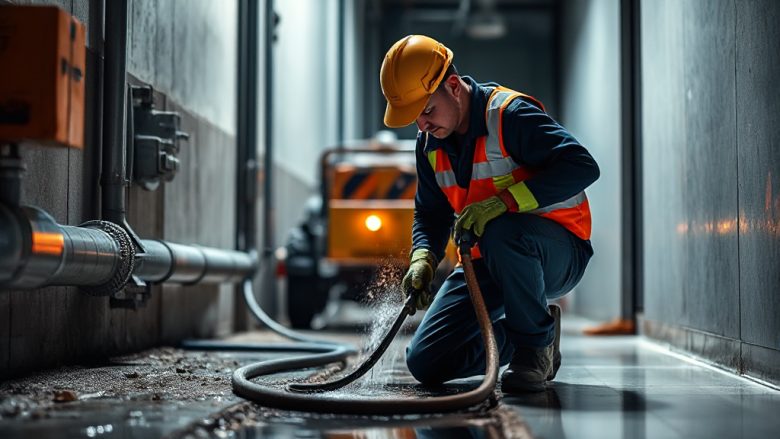
Preparing for a Drain Cleaning Visit in Lauzane Paulista
You have water backing up in the kitchen sink, a slow shower drain, or a foul smell rising from the floor gully, and you have already called for help. The truck is on its way, and now you are wondering what you should do before the technician arrives. Getting a few things ready makes the visit faster, safer and often cheaper, especially in a dense neighbourhood like Lauzane Paulista in the north zone of São Paulo.
When you book a desentupidora Lauzane Paulista São Paulo SP, the team usually asks a short set of questions on the phone. Those answers determine which equipment they load and how they plan the access. The more accurate your answers, the fewer surprises on site.
What should I have ready before the team arrives?
Start with access. Clear the area around the affected drain, move boxes, mats and cleaning supplies, and make sure the technician can reach the pipe without climbing over furniture. In apartments, tell the concierge or doorman that a service vehicle is coming so it can park and enter without delay.
Next, gather what you already know about the problem. Note when the backup started, whether it happens after using a specific fixture, and whether more than one drain is affected. A single slow sink points to a local clog; several backed-up drains at once suggest a blockage in the main line. That distinction changes the job completely.
- Clear access to the drain, the cleanout cap and the inspection box.
- Note which fixtures are slow and when the problem first appeared.
- Keep children and pets away from the work area.
- Have the building manager’s contact ready if you live in a condominium.
What information does the technician need from me?
The technician will ask about the building’s age, the type of pipe and whether the property has a septic tank or is connected to the public sewer. Older homes in this part of São Paulo sometimes still have clay or cast-iron lines, and that affects the pressure and tools used during the job.
You should also mention any previous interventions. If someone already tried chemical products or a hand auger, say so. Some chemicals react badly with the hot-water jetting equipment used by a professional desentupidora Lauzane Paulista, and the team needs to flush the line differently to avoid splashing or damage.
Finally, be honest about the layout. If the cleanout is in a hard-to-reach shaft, behind a wall panel or under a slab, the technician may need to plan a different access point before starting.
How do I choose between a residential and a commercial crew?
Residential jobs usually involve one bathroom, a kitchen line or a single floor drain. Commercial jobs, such as a restaurant kitchen or a condominium garage, involve grease traps, larger diameter pipes and heavier equipment. The preparation differs because a commercial site often needs a work permit, a service window outside business hours, and a plan to keep customers away from the area.
If you manage a building, confirm whether the blockage is in a private unit or in the shared riser. Shared lines are usually the responsibility of the condominium, and the technician will need the síndico’s authorisation before opening any inspection box in common areas.
What does the service actually involve once the team starts?
The routine usually begins with a visual inspection and a quick test of the affected fixtures. The technician then chooses between a mechanical auger, a high-pressure water jet or a vacuum truck, depending on the type of obstruction. Grease and soap residue respond well to hot-water jetting, while roots and solid objects need a cutting head first.
After clearing the line, the team runs water through the system to confirm the flow is restored. In many cases they also check nearby drains, because a blockage that was pushed downstream can reappear a few metres away. This is why a proper desentupidora em Lauzane Paulista São Paulo SP does not simply leave once the sink drains; the technician verifies the whole branch.
If the problem is in the septic tank rather than the pipes, the visit becomes a cleaning job instead of a simple unblocking. The truck pumps out the tank, and the technician checks the inlet and outlet for signs of saturation.
Which mistakes make the visit harder?
The most common mistake is pouring more chemicals into a drain that is already blocked. Caustic products sit in the pipe, can damage older joints and make the technician’s job riskier. Another frequent problem is hiding the access point, either by tiling over the cleanout or stacking storage in front of it.
People also underestimate the value of a clear description. Saying “the drain is blocked” is less useful than saying “the kitchen sink backs up when the washing machine runs”. The second version tells the technician the blockage is likely downstream of the kitchen branch, which saves time on arrival.
Never ignore a recurring smell or a slow drain for weeks. Small blockages grow, and a problem that could be cleared in an hour can turn into a flooded floor or a damaged wall.
How can I prepare to avoid a repeat blockage?
Prevention starts with what goes down the drain. Grease, coffee grounds, hair and wet wipes are the main culprits in residential lines. In commercial kitchens, a grease trap that is not emptied on schedule will clog the line regardless of how well it was cleaned the first time.
Ask the technician to point out the cleanout locations and to note any section of pipe that looked fragile. Keep that information with the building’s maintenance records. For condominiums, a short preventive schedule, such as an annual jetting of the main riser, is usually cheaper than an emergency call at night.
| Preparation step | Why it matters |
|---|---|
| Clear access to the drain | Faster start, less risk of damage |
| Describe the symptoms accurately | Right equipment loaded first time |
| Confirm responsibility (unit vs. common area) | Avoids authorisation delays |
| Note previous chemical use | Safer handling of the line |
Frequently asked questions
Do I need to be home during the service?
For a private residence, yes, or someone authorised must be present. In a condominium, the síndico or building manager can grant access to common areas, but the technician still needs someone to confirm the scope and sign off on the work.
How long does a typical visit take?
A simple sink or shower blockage can be cleared in under an hour. Main-line jetting, septic tank cleaning or jobs that require opening an inspection box usually take longer, and the technician should give you an estimate after the initial inspection.
Can the team work at night or on weekends?
Emergency services are set up for out-of-hours calls, which is common in commercial premises and buildings where the water cannot be shut off during the day. Confirm the availability when you book, and mention any noise restrictions the building has.
What if the blockage returns after the visit?
A return within a short period usually means the original cause was not fully removed, such as roots or a collapsed section of pipe. Report it immediately with the date of the first visit so the team can re-inspect the same branch rather than starting from scratch.