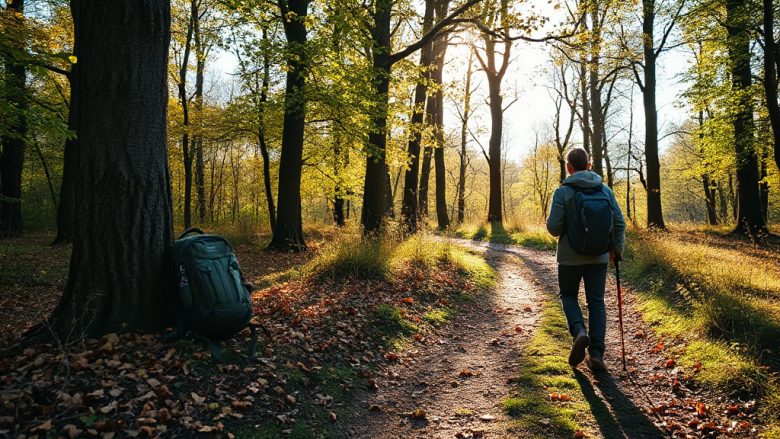
My first proper nature walk happened by accident. I’d planned a quick stroll around a local park, but a gap in the hedge led me onto a footpath that climbed through oak trees and opened onto a ridge I never knew existed. I had no water, no map, and shoes that were really meant for the office. I still loved every minute of it, but I learned a few things the hard way. If you’re curious about walking in nature but feel unsure about what to expect, these nature walks tips for beginners should make your first outings far more comfortable.
Nature Walks Tips for Beginners: Getting Ready and Staying Safe
Before we get into the specifics, it’s worth saying what a nature walk actually is. It’s not a survival expedition or a race. It’s simply walking outdoors, usually on paths or trails, with enough attention to notice what’s around you. That could be a two-mile loop through woodland or forty minutes along a riverbank. The point is the walking and the noticing, not the distance.
The advice below covers the practical stuff that trips up most newcomers. Work through it once, and you’ll be able to head out with confidence rather than worry.
1. Start with footwear you trust
You don’t need specialist hiking boots for your first few walks, but you do need shoes with grip and a bit of support. Trainers with deep treads work fine on dry, gentle paths. Avoid smooth-soled fashion shoes, flip-flops, or anything that slides around on gravel. If you’re walking somewhere muddy or uneven, a pair of simple walking shoes or trail trainers will make a huge difference. The test is easy: can you stand on one foot without wobbling and walk on a wet slope without slipping? If not, choose different shoes.
2. Carry more water than you think you need
Thirst creeps up on you when you’re distracted by scenery. Take a bottle that holds at least half a litre for a short walk, and a full litre for anything over an hour. Sipping regularly is better than gulping at the end. If it’s warm, add a little more. A small snack, like a banana, a handful of nuts, or a flapjack, keeps your energy steady and stops the grumpy slump that hits about an hour in.
3. Learn to read a route before you go
You don’t need to be a navigation expert, but you should know roughly where you’re heading. Check the route on a map at home, and note any junctions or turns. If you’re using a phone app, download the map for offline use first, because signal in woods and valleys is patchy. A paper map and a simple compass are worth carrying if you’re going somewhere remote, and it’s worth learning the basics of using them. Tell someone where you’re going and when you expect to be back. That single habit is one of the most valuable nature walks tips for beginners you’ll ever pick up.
4. Dress for the weather, not the forecast
Weather changes faster than most people expect. A sunny morning can turn into a grey, breezy afternoon. Layers are your friend: a breathable base layer, a warm mid-layer, and a light waterproof shell. Even on a clear day, a thin rain jacket folded into your bag weighs almost nothing and saves a miserable walk home. Avoid cotton next to your skin if you can, since it holds sweat and gets cold. Synthetic or merino layers dry much faster.
5. Tell someone your plan
This one sounds obvious, but it’s the step beginners skip most often. Send a message with your route, your start time, and your expected finish. If your plans change mid-walk, let them know. It takes thirty seconds and gives you a safety net. It also means someone will notice if you’re late, which is exactly what you want.
6. Pace yourself and take breaks
Nature walks aren’t about speed. Start slower than feels natural, especially on hills. A steady rhythm you can hold for an hour beats a fast start that leaves you gasping after twenty minutes. Stop when you want to, not just when you’re tired. Sit on a log, look up at the canopy, listen. Those pauses are often the best part of the walk, and they’re why you came out in the first place.
7. Respect wildlife and leave no trace
Wild animals are not there for your entertainment. Keep your distance, especially from anything with young. Don’t feed birds, squirrels, or deer, as human food harms them and makes them bold. Stay on marked paths where they exist, because trampling plants damages fragile habitats. Take all your litter home, including fruit peel and crumbs, which can attract animals and cause problems. If you’re walking with a dog, keep it under control and follow any local rules about leads. The simple principle is to leave the place as you found it, or better.
8. Learn a few plants and birds, but don’t obsess
One of the quiet joys of walking in nature is starting to recognise what you see. You don’t need to become an expert. Pick three trees, three flowers, or three birds and learn them properly. Notice the shape of leaves, the sound of calls, the colour of bark. A small pocket guide or an app can help, but don’t spend the whole walk staring at a screen. Half the pleasure is in the noticing, not in the naming.
9. Watch the ground and the sky
Beginners often trip because they’re looking at the view instead of their feet. On uneven ground, glance down regularly for roots, rocks, and loose stones. Then look up. Clouds tell you a lot about what’s coming, and the light changes the whole feel of a landscape. A path that looks dull under grey skies can glow in late afternoon sun. Keep your eyes moving between the two.
10. Go again, and go somewhere new
The best way to get comfortable with nature walks is repetition. Do the same short route a few times until it feels familiar, then try somewhere new. Each walk teaches you something: which shoes work, how much water you actually drink, what time of day suits you. Over a season, you’ll build a mental map of local paths and a quiet confidence that makes longer walks feel easy.
None of this is complicated, and none of it requires expensive gear. A decent pair of shoes, a bottle of water, a bit of planning, and a willingness to slow down will get you most of the way. The rest comes with practice. So pick a path near you, check the weather, and give it an hour. You might be surprised how quickly it becomes part of your week.